Fishing Calendar App
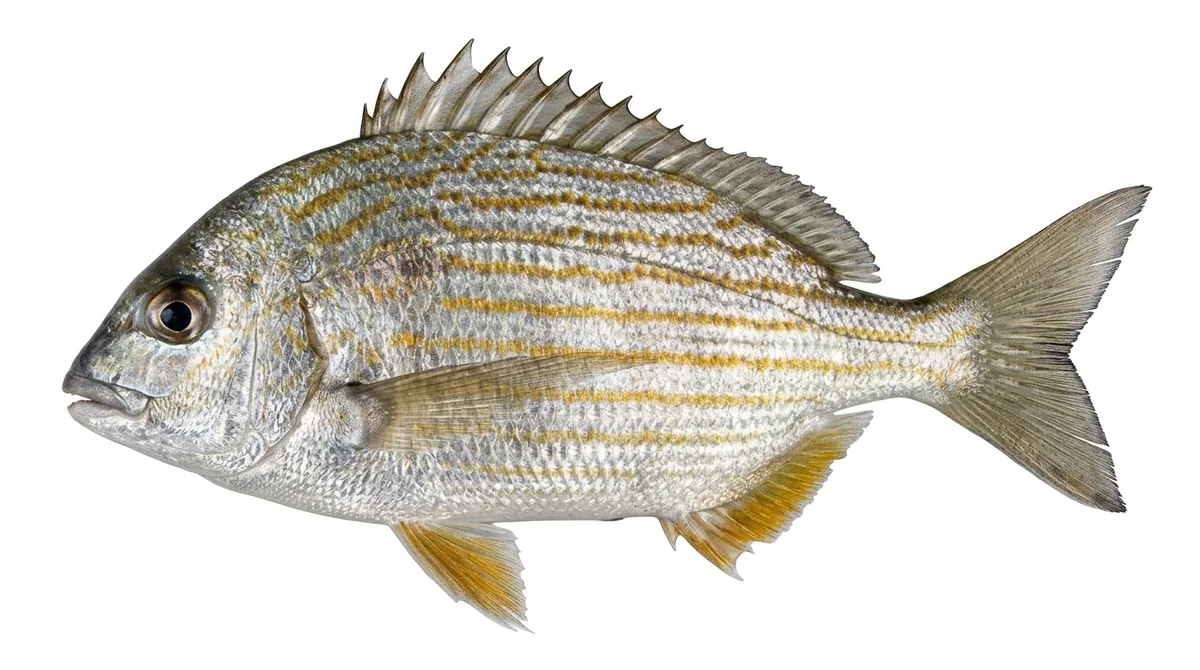
Western Atlantic seabream
Archosargus rhomboidalis
- Saltwater
- Least Concern
- Max length
- 33 cm
- Class
- Teleostei
- Order
- Eupercaria incertae sedis
- Family
- Sparidae
- Genus
- Archosargus
- Atlantic, Southwest
- Atlantic, Western Central
About the western atlantic seabream
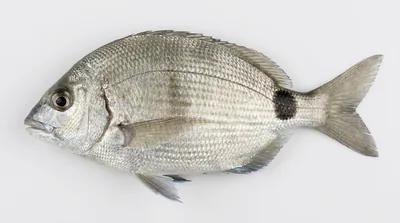
Western Atlantic seabream (Archosargus rhomboidalis) is an ocean-going species of fish in the family, Sparidae. It was first described in 1758 by the "father of modern taxonomy," Carl Linnaeus, in the 10th edition of his book, Systema Naturae. Within their native range, Western Atlantic seabream are also known as the seabream, brim, tropical sheepshead, chopa amarilla, or salema. Although they are eaten, and have been described as pan fish, Western Atlantic seabream have not gained the popularity as a gamefish that their relative, the sheepshead (A. probatocephalus) has.
Distribution
Western Atlantic seabream are known from waters off New Jersey and the northern Gulf of Mexico, south to Argentina. Oddly, they are not found near the Bahamas, though they are known from many other parts of the West Indies.
They are commonly found in mangrove swamps, and in muddy, or vegetated bottoms. They are occasionally found in brackish water, and over reefs near mangroves. Western Atlantic seabream feed mainly on small, benthic invertebrates, such as bivalves, crustaceans and aquatic plants and can live up to two years in the wild.
Description from Wikipedia, available under CC BY-SA.
Where the western atlantic seabream lives
Distribution data from GBIF (DOI: 10.15468/dl.8rzs8d).
Also known as
- Sea bream
- Sargo amarillo
- ماهی پورگی
- 菱羊鯛
Where to catch western atlantic seabream
- Cape Fear River United States River · North Carolina
- Florida Bay (Everglades) United States Bay · Florida
- Florida Keys United States Coast · Florida
- Galveston Bay United States Bay · Texas
- Lake Pontchartrain United States Lake · Louisiana
- Port Aransas United States Coast · Texas