Fishing Calendar App
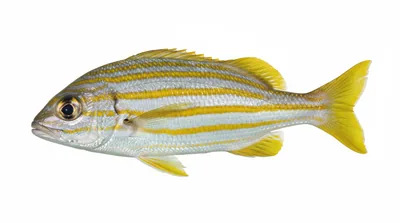
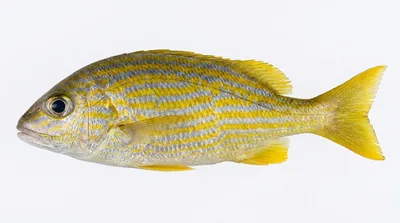
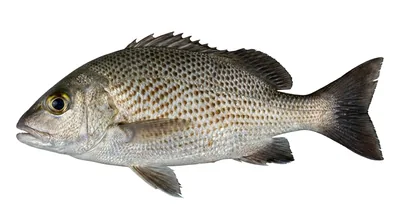
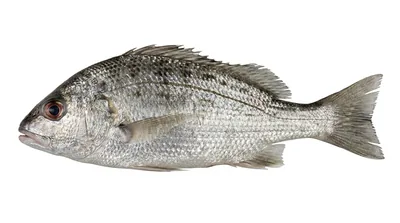
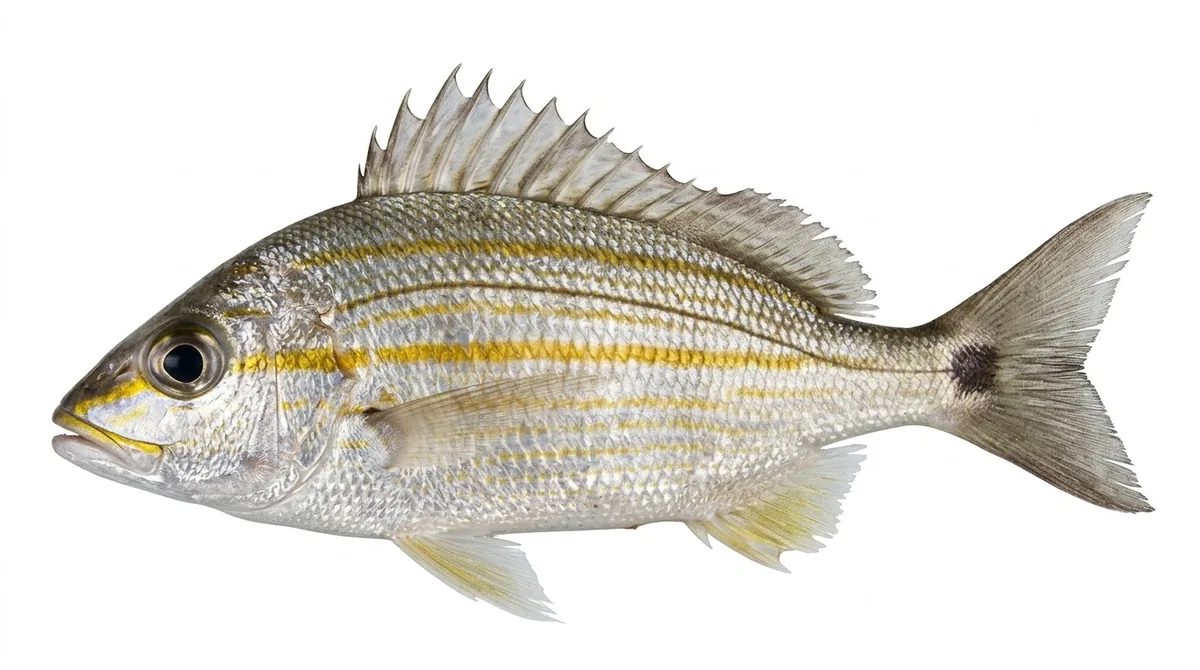
Tomtate
Haemulon aurolineatum
- Saltwater
- Max length
- 12 cm
- Class
- Teleostei
- Order
- Eupercaria incertae sedis
- Family
- Haemulidae
- Genus
- Haemulon
- Atlantic, Southwest
- Atlantic, Western Central
- Pacific, Eastern Central
About the tomtate
Haemulon is a genus of fish in the grunt family known as the scaled-fin grunts. Most are found in the western Atlantic Ocean, with a few species known from the eastern Pacific Ocean. This genus is considered to be one of the most important fish groups of the coral reefs of Brazil due to its commercial value and crucial ecological role.
Behaviour
Haemulon species are common members of shallow reef fish communities in their range. Their schools can have hundreds or thousands of fish, including adults and juveniles. Schools can be made up of several different Haemulon species; for example, H. squamipinna and H. aurolineatum may associate with each other. Haemulon spp. have also been observed in schools with grunts of other genera, such as Anisotremus virginicus, and fish of different families, such as the snapper Lutjanus alexandrei, the goatfish Pseudupeneus maculatus, and the jack Carangoides bartholomaei. Other fish tend to join large Haemulon schools for protection. Sometimes they join a school simply for the protection offered by a large mass of fish, but some species engage in protective mimicry in a school. Unrelated fish that resemble Haemulon in color, size, and shape join the school to hide from predators, even mimicking the swimming style, movements, and postures of the Haemulon. Fish that do this include the goatfish Mulloidichthys martinicus, the parrotfish Sparisoma axillare, and the herring Harengula clupeola. M. martinicus, in particular, stays with groups of its own species while sheltering in the reefs, but when it enters the open water column and becomes visible to predators, it tends to join schools of Haemulon chrysargyreum, which it closely resembles. It assumes the posture of the grunts and blends into the group.
Despite their general preference for close association with other fish, some Haemulon spp. can be territorial and display aggressive behaviors. Larger individuals are more likely to act aggressively, and this behavior is more common at certain times of the day, such as early morning.
Like other members of their family, these fish produce a grunting sound by grinding their pharyngeal teeth, the behavior which inspired their common name.
The spawning behavior of these fish has not been observed.
Description from Wikipedia, available under CC BY-SA.
Where the tomtate lives
Distribution data from GBIF (DOI: 10.15468/dl.8rzs8d).
Also known as
- Tomtate grunt
- White grunt
- Ronco jeníguaro
- Ronkos
- سنگسرهای بالپولکی
Where to catch tomtate
- Cape Fear River United States River · North Carolina
- Florida Bay (Everglades) United States Bay · Florida
- Florida Keys United States Coast · Florida
- Galveston Bay United States Bay · Texas
- Lake Pontchartrain United States Lake · Louisiana
- Port Aransas United States Coast · Texas