Fishing Calendar App
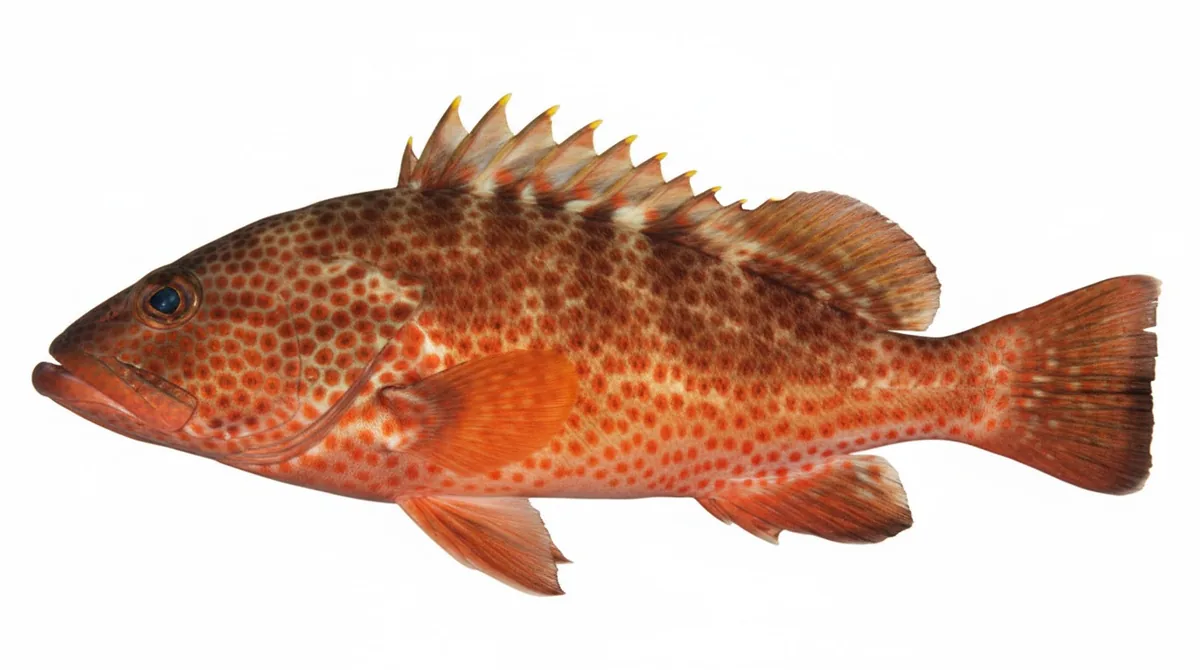
Red hind
Epinephelus guttatus
- Saltwater
- Least Concern
- Max length
- 76 cm
- Class
- Teleostei
- Order
- Perciformes
- Family
- Epinephelidae
- Genus
- Epinephelus
- Atlantic, Western Central
About the red hind
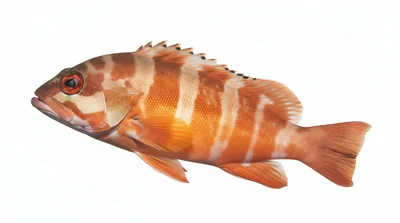
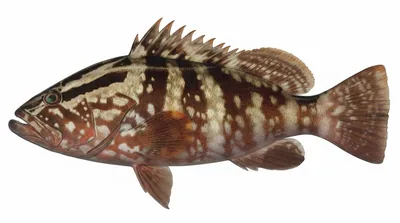
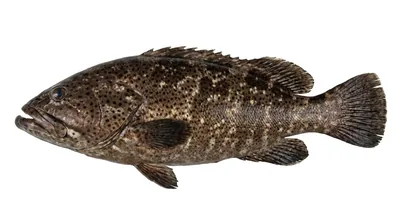
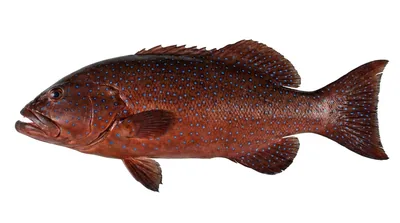
The red hind (Epinephelus guttatus), also known as the koon or lucky grouper in Caribbean vernacular, is a species of marine ray-finned fish, a grouper from the subfamily Epinephelinae which is part of the family Serranidae, which also includes the anthias and sea basses. It is native to the western Atlantic Ocean where it ranges from the eastern United States to Brazil. It is the most common species of Epinephelus in the Caribbean and Bermuda.
Habitat
Red hinds inhabit coral reefs and rocky bottoms, the females remain close to the bottom, while the males patrol and defend an area from other males overlapping the home ranges of one to five female. Mantis shrimps make up over 15 percent of their diet. Crabs are the most common item on their diet, and fishes like Bluehead Wrasse, Thalassoma bifasciatum; Boga, Inermia vittata; goatfishes and small morays are included. Although they prefer shrimps and octopuses.
Red Hind are protogynous hermaphrodites, changing from females to males during a stage in their life cycle. What triggers the change is unknown. In Puerto Rico, the fish gather in or near familiar spawning grounds along sections of the insular shelf during a one to two week period in association with the lunar cycles of January and February. In 1992, a tagged Red Hind traveled more than ten miles, crossing over water 600 feet deep, bypassing other aggregations, to spawn at a particular site. Not much is known about the species' early life stages. Though, on rare occasions, one to two inch juveniles are sighted sneaking about near cover on patch reefs in moderate depths. Most adults live for ten to eleven years.
Distribution
The red hind is found in the Western Atlantic. Its range extends from Bermuda and North Carolina and along the eastern coast of the United States into the Gulf of Mexico and the Caribbean. Its range is said to extend south as far as Brazil but there are no confirmed records from south of Venezuela.
Description from Wikipedia, available under CC BY-SA.
Where the red hind lives
Distribution data from GBIF (DOI: 10.15468/dl.8rzs8d).
Also known as
- Koon
- Lucky grouper
- Mérou couronné
- Röd prickig grouper
- Garoupa-palhaço
- Cabrilla colorada
- Arigua
- Parra
- Tofia
- Cabrilla
- Tummaevämeriahven
- Rode katvis
- Чернопёрый групер
- هامور أحمر الترقيط
- هامور احمر الترقيط
- Кабрилья
- 紅點石斑魚
Where to catch red hind
- Cape Fear River United States River · North Carolina
- Florida Bay (Everglades) United States Bay · Florida
- Florida Keys United States Coast · Florida
- Galveston Bay United States Bay · Texas
- Lake Pontchartrain United States Lake · Louisiana
- Port Aransas United States Coast · Texas