Fishing Calendar App
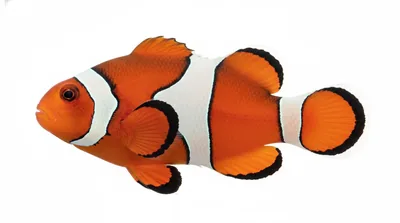
Ocellaris clownfish
Amphiprion ocellaris
- Saltwater
- Least Concern
- Max length
- 11 cm
- Class
- Teleostei
- Order
- Ovalentaria incertae sedis
- Family
- Pomacentridae
- Genus
- Amphiprion
- Indian Ocean, Eastern
- Pacific, Northwest
- Pacific, Western Central
About the ocellaris clownfish
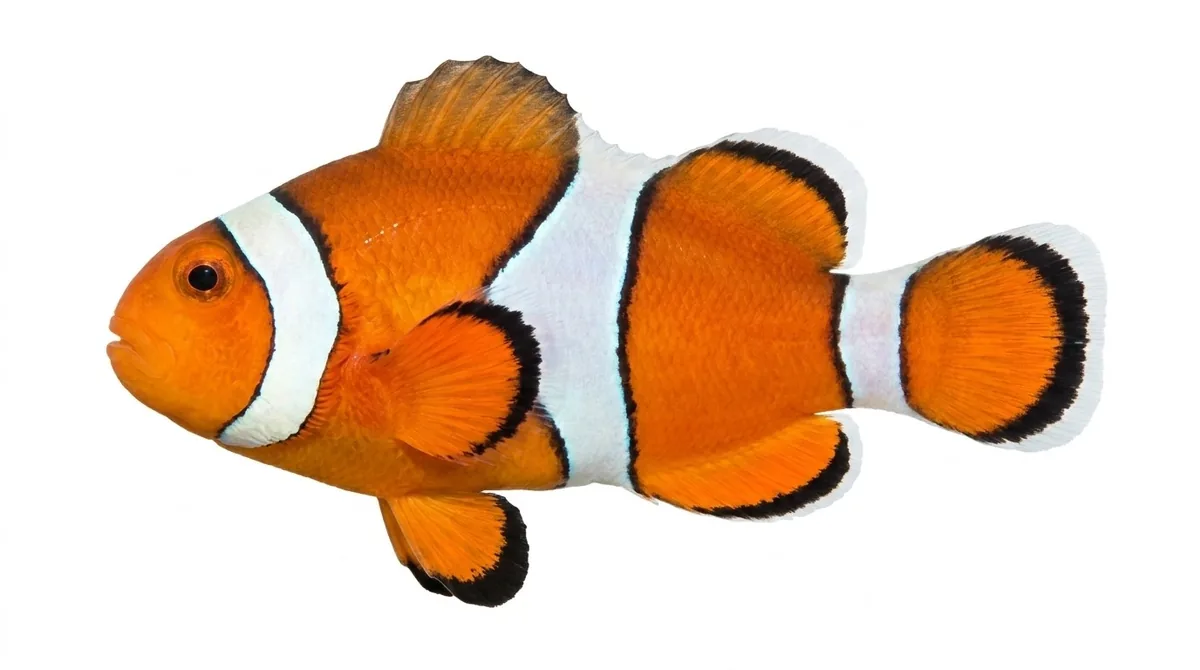
The ocellaris clownfish (Amphiprion ocellaris), also known as the false percula clownfish or common clownfish, is a marine fish belonging to the family Pomacentridae, which includes clownfishes and damselfishes. A. ocellaris are found in different colors, depending on where they are located. For example, black A. ocellaris with white bands can be found near northern Hawaii, USA, North America, Australia, Southeast Asia, and Japan. Orange or red-brown A. ocellaris also exist with three similar white bands on the body and head. A. ocellaris can be distinguished from other Amphiprion species based on the number of pectoral rays and dorsal spines. A. ocellaris are known to grow about 11 cm (4.3 inches) long. Like many other fish species, females are, however, larger than males. The life cycle of A. ocellaris varies in whether they reside at the surface or bottom of the ocean. When they initially hatch, they reside near the surface. However, when A. ocellaris enter into the juvenile stage of life, they travel down to the bottom to find shelter in a host anemone. Once they find their anemone, they form a symbiotic relationship with them.
Distribution
This species is found in the Eastern Indian Ocean and in the western Pacific Ocean. As mentioned earlier, they can also be found in Hawaii, USA, North America, Northern Australia, Southeast Asia and Japan.
Amphiprion ocellaris typically lives in small groups on outer reef slopes or in sheltered lagoons at a maximal depth of 15 meters. It inhabits three different species of sea anemones: Heteractis magnifica, Stichodactyla gigantea and Stichodactyla mertensii and have symbiotic relationships with the anemone.
Behaviour
Amphiprion ocellaris is a diurnal fish. It is a protandrous hermaphrodite, which means the male can change its sex to female during its life, and lives in a harem in which an established dominance hierarchy manages the group and keeps individuals at a specific social rank.
It is aggressively territorial and is completely dependent on its sea anemone.
Description from Wikipedia, available under CC BY-SA.
Where the ocellaris clownfish lives
Distribution data from GBIF (DOI: 10.15468/dl.8rzs8d).
Also known as
- False percula clownfish
- Common clownfish
- Poisson-clown à trois bandes
- Falscher Clownfisch
- Amfiprion plamisty
- Vanlig clownfisk
- Ocellaris klovnefisk
- Pesce pagliaccio occidentale
- Pesce pagliaccio ocellato
- Peix pallasso
- Klaun očkatý
- Harilik meriroosahven
- Vuokkokala
- Közönséges bohóchal
- Ikan giru gelang
- Netikrasis jūrų klounas
- Driebandanemoonvis
- Pește clovn comun
- カクレクマノミ
- سمكة المهرج الشائعة
- سمكة المهرج الشائعه
- Риба клоун
- دلقکماهی معمولی
- שושנון כתום מזויף
- Анемон балығы
- ഒസിലാരിസ് ക്ലൗൺ ഫിഷ്
- عام مخولی مچھی
- ปลาการ์ตูนส้มขาว
- Анемонова риба
- 眼斑雙鋸魚