Fishing Calendar App
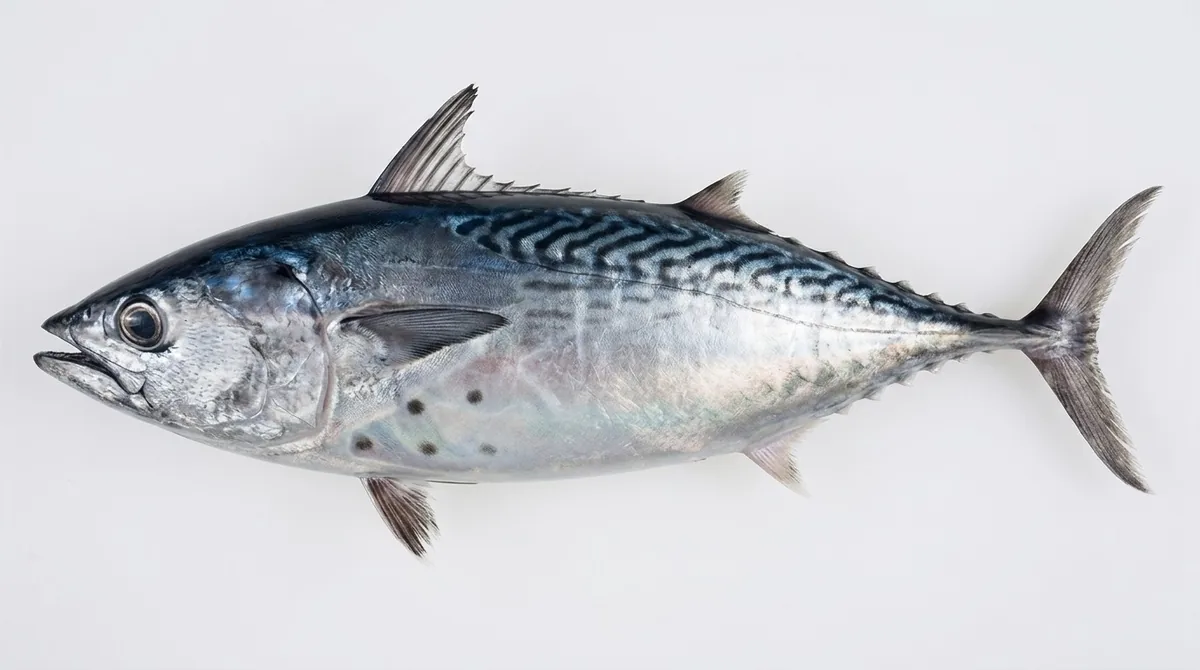
Kawakawa
Euthynnus affinis
- Saltwater
- Least Concern
- Max length
- 100 cm
- Class
- Teleostei
- Order
- Scombriformes
- Family
- Scombridae
- Genus
- Euthynnus
- Atlantic, Northeast
- Indian Ocean, Eastern
- Indian Ocean, Western
- Mediterranean and Black Sea
- Pacific, Eastern Central
- Pacific, Northwest
- Pacific, Western Central
About the kawakawa
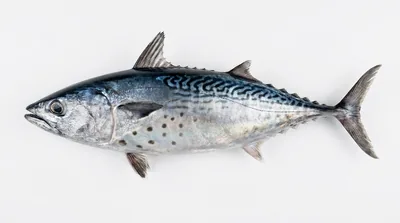
Euthynnus affinis, the mackerel tuna, little tuna, eastern little tuna, wavyback skipjack tuna, kawakawa, or tongkol komo is a species of ray-finned bony fish in the family Scombridae, or mackerel family. It belongs to the tribe Thunnini, better known as the tunas. It is also in the genus Euthynnus of "little tunas," which includes the little tunny and the black skipjack.
Euthynnus affinis formerly was known as Euthynnus yaito.
Distribution
E. Affinis is an Indo-Pacific species which is found from the Red Sea to French Polynesia, but can also be found near Baja California.
The kawakawa is a pelagic, highly migratory species, often schooling from the surface of the water to depths of 200 metres (660 ft). However, it often sticks close to coastal structures and neritic shelves instead of the open ocean. It is also known to commonly inhabit coastal reefs and move into estuaries. It prefers waters ranging from 18–29 °C (64–84 °F).
It is a highly opportunistic feeder, eating squid, fish, crustaceans, and zooplankton. Like other tuna species, it will often form large, multi-species schools with other scombridaes like the yellowfin tuna and frigate mackerel.
Predators of E. Affinis include larger tuna, billfish, sharks, birds, and marine mammals.
Description from Wikipedia, available under CC BY-SA.
Where the kawakawa lives
Distribution data from GBIF (DOI: 10.15468/dl.8rzs8d).
Also known as
- Bacoreta oriental
- Thonine orientale
- Falscher Bonito
- Orientalische Thonine
- Ostlig liten bonit
- Timphiek
- Oostelike kleintuna
- Timbongan
- Tongkol Komo
- Iwak tongkol
- Cakalan
- Ambu-ambu
- Aya kurik
- Hambu-hambu
- Oostdwergtonijn
- Малый восточный тунец
- 점다랑어
- スマ
- بلاميطة
- Кауакауа
- ލައްޓި
- زرده
- Cá ngừ chấm
- 巴鰹
Where to catch kawakawa
- Dubrovnik Coast Croatia Coast · Dubrovnik-Neretva
- Istria Coast Croatia Coast · Istria
- Kornati Archipelago Croatia Archipelago · Šibenik-Knin
- Kvarner Gulf Croatia Gulf · Kvarner
- Neretva Delta Croatia Delta · live river data
- Pag Channel Croatia Channel · Zadar