Fishing Calendar App
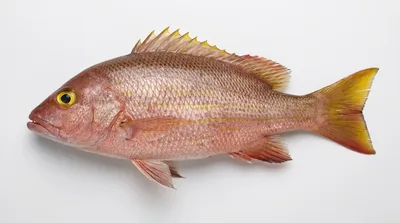
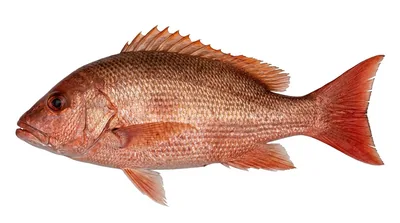
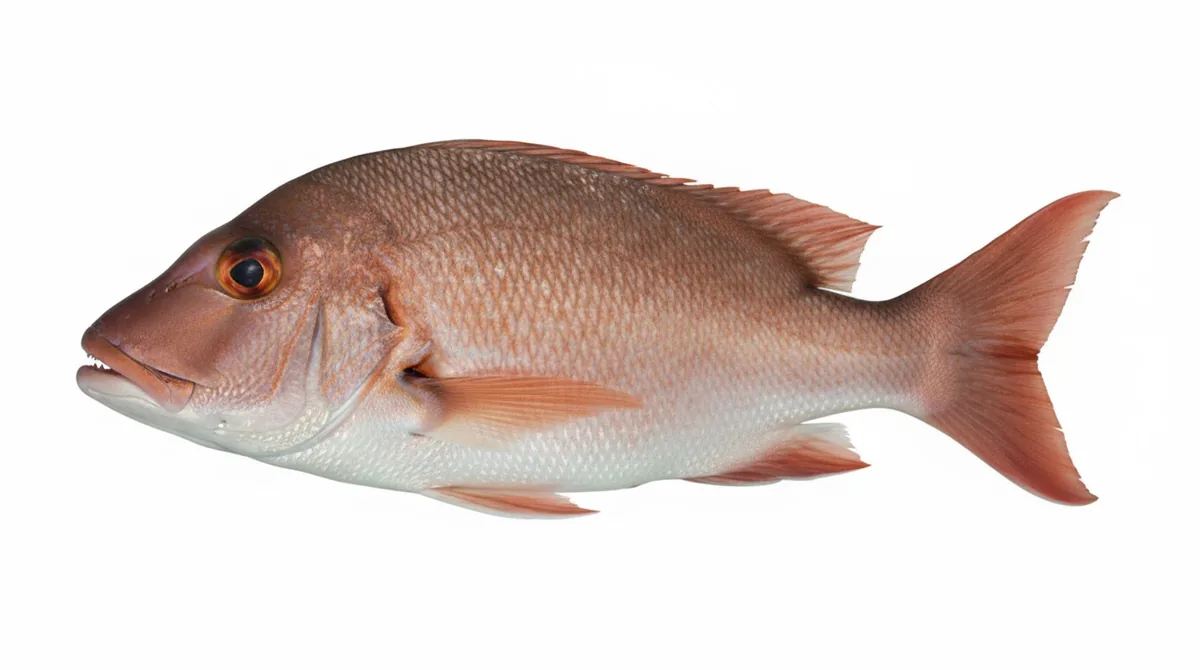
Humpback red snapper
Lutjanus gibbus
- Saltwater
- Least Concern
- Max length
- 50 cm
- Class
- Teleostei
- Order
- Eupercaria incertae sedis
- Family
- Lutjanidae
- Genus
- Lutjanus
- Indian Ocean, Eastern
- Indian Ocean, Western
- Pacific, Eastern Central
- Pacific, Northwest
- Pacific, Western Central
About the humpback red snapper
The humpback red snapper (Lutjanus gibbus), the paddletail, paddletail snapper or hunchback snapper, is a species of marine ray-finned fish, a snapper belonging to the family Lutjanidae. It has a wide Indo-West Pacific distribution. It is a commercially important species, as well as being sought after as a game fish. It is also a popular species for display in public aquaria. It has been reported to cause ciguatera poisoning.
Distribution
Lutjanus gibbus ha a wide Indo-West Pacific distribution. It ranges from the eastern African coast and the Red Sea to the Society and Line islands and from Australia in the south to southern Japan in the north. It has also been recorded from the Marquesas and south to Rapa Iti. In Australia it is found from Houtman Abrolhos to the Dampier Archipelago and reefs off the northern coast of Western Australia, the Ashmore Reef in the Timor Sea the on the eastern coast from the outer Great Barrier Reef and Coral Sea reefs south to Moreton Bay in Queensland with juveniles occurring south to Sydney. The humpback red snapper occurs at depths from 1 to 150 m (3 ft 3 in to 492 ft 2 in). It is associated with reefs and during the day gathers in large, mostly stationary aggregations on coral reefs. The juveniles shelter in beds of sea grass in protected areas of sandy and muddy substrates, while the aggregations are dominated by subadults. The larger adults inhabit deeper waters on coastal slopes.
Description from Wikipedia, available under CC BY-SA.
Where the humpback red snapper lives
Distribution data from GBIF (DOI: 10.15468/dl.8rzs8d).
Also known as
- Humpback snapper
- Caranha-jubarte
- Eungkôt tandôk
- Boggel-snapper
- Peix emperador geperut
- Kyrmynapsija
- Jinaha
- Горбатый луциан
- ヒメフエダイ
- Гърбав луциан
- سرخوی گوژپشت
- 驼背笛鲷
- نهاش محدب