Fishing Calendar App
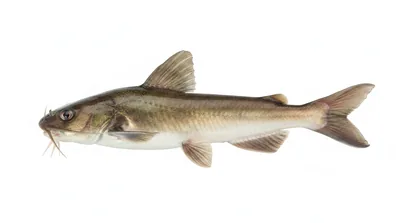
Hardhead catfish
Ariopsis felis
- Saltwater
- Least Concern
- Max length
- 70 cm
- Class
- Teleostei
- Order
- Siluriformes
- Family
- Ariidae
- Genus
- Ariopsis
- Atlantic, Western Central
About the hardhead catfish
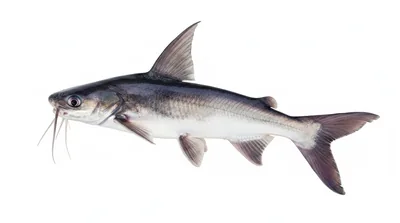
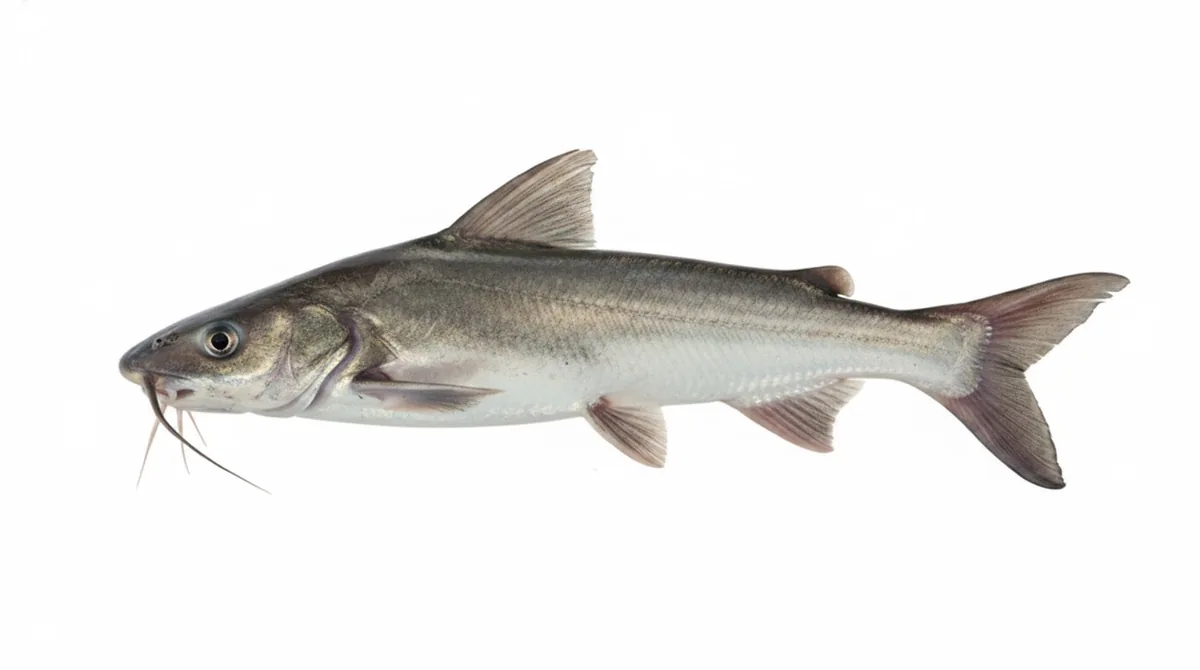
The hardhead catfish (Ariopsis felis) is a species of sea catfish from the northwest Atlantic and Gulf of Mexico, and similar to the gafftopsail catfish (Bagre marinus). It is one of eight species in the genus Ariopsis. The common name, hardhead catfish, is derived from the presence of a hard, bony plate extending rearward toward the dorsal fin from a line between the catfish's eyes. It is an elongated marine catfish that reaches up to 28 in (70 cm) in length and 12 lb (5.5 kg) in weight. Their typical weight is less than 1 lb (450 g), but they commonly reach up to 3 lb (1.4 kg). They are often a dirty gray color on top, with white undersides.
Distribution
Hardhead catfish are found mostly in the near-shore waters of the Western Atlantic Ocean, around the southeast coast of the United States, around the Florida Keys and the coast of the Gulf of Mexico. Hardhead catfish are also found in brackish estuaries and river mouths where the bottom is sandy or muddy, but only occasionally enter freshwater. It tends to move from shallower to deeper waters in the winter months. The species is generally common to abundant within its range.
The hardhead catfish has four barbels under the chin, with two more at the corners of the mouth. These barbels help the catfish find crabs, fish, and shrimp in the muddy or sandy bays where they live. The head is slightly flattened and conceals a hard plate between the eyes and dorsal fin. The dorsal and pectoral fins each are supported by a sharp, slime-covered, barbed spine. The dorsal spine is normally erect when the fish is excited and a tennis shoe or even a leather-soled shoe offers little protection. The gafftopsail catfish looks similar to the hardhead catfish, but its dorsal and pectoral spines have a distinctive fleshy extension (like the fore-and-aft topsail of a ship).
Behaviour
A. felis consumes a wide range of food. It is an opportunistic consumer that uses mud and sand flats as hunting grounds. It is also mainly a secondary consumer, ingesting primarily detritus, meio-, and macrobenthic fauna, and fish. Its diet primarily consists of algae, seagrasses, cnidarians, sea cucumbers, gastropods, polychaetes, shrimp, and crabs. It can occasionally be a tertiary consumer.
Its diet depends on its size and location. Younger hardhead catfish tend to eat small crustaceans, like amphipods, shrimp, blue crabs, mollusks, and annelids. Juveniles that are still under the protection of the male mouthbrooder feed predominately on planktonic crustaceans close by to the mouth of the parent. The adults primarily consume larger fish.
Description from Wikipedia, available under CC BY-SA.
Where the hardhead catfish lives
Distribution data from GBIF (DOI: 10.15468/dl.8rzs8d).
Also known as
- Arius felis
- Bagre boca chica
- سمك السلور الصلب
- 墨西哥擬海鯰
Where to catch hardhead catfish
- Cape Fear River United States River · North Carolina
- Florida Bay (Everglades) United States Bay · Florida
- Florida Keys United States Coast · Florida
- Galveston Bay United States Bay · Texas
- Lake Pontchartrain United States Lake · Louisiana
- Port Aransas United States Coast · Texas