Fishing Calendar App
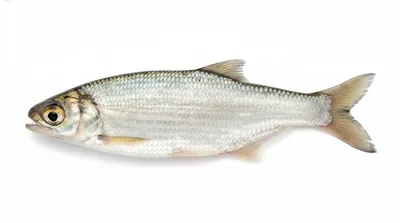
Goldeye
Hiodon alosoides
- Freshwater
- Least Concern
- Max length
- 52 cm
- Class
- Teleostei
- Order
- Hiodontiformes
- Family
- Hiodontidae
- Genus
- Hiodon
- North America - Inland waters
About the goldeye
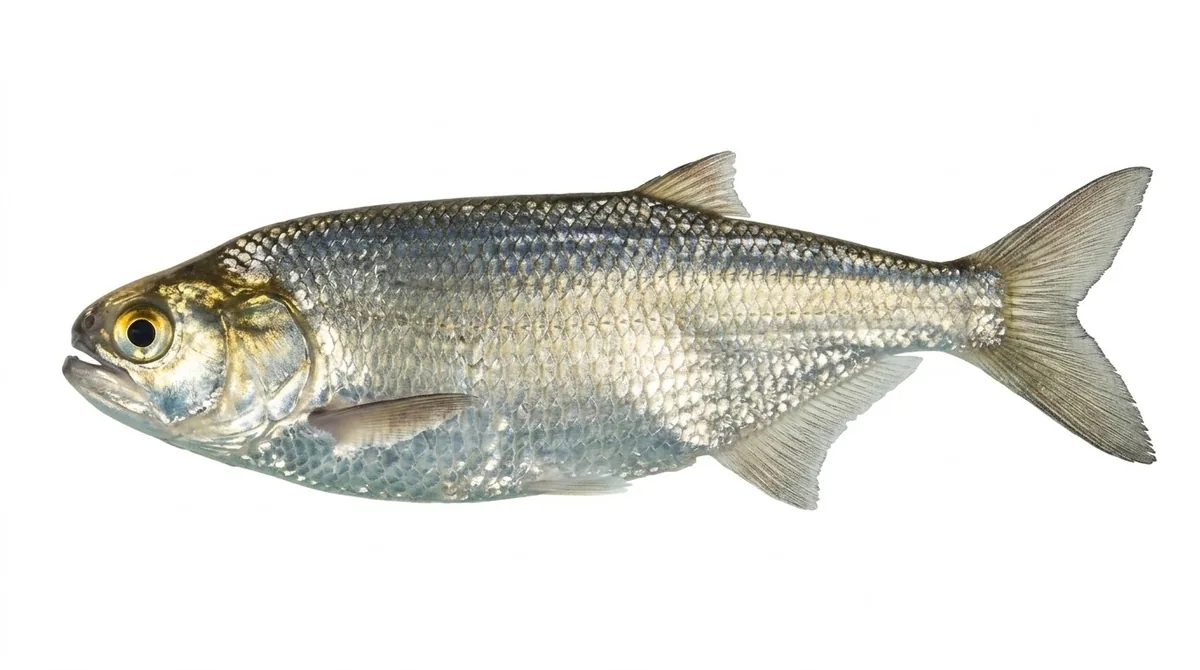
The goldeye (Hiodon alosoides) is a freshwater fish found in Canada and the northern United States. It is one of only two extant species in the family Hiodontidae, the other species being Hiodon tergisus. The species name alosoides means shad-like. It is also called Winnipeg goldeye, western goldeye, yellow herring, toothed herring, shad mooneye, la Queche, weepicheesis, or laquaiche aux yeux d'or in French.
Distribution
Goldeyes occur from as far down the Mackenzie River as Aklavik in the north to Mississippi in the south, and from Alberta in the west to Ohio south of the Great Lakes, with an isolated population south of James Bay. It prefers turbid slower-moving waters of lakes and rivers.
Behaviour
Goldeyes feed on insects, crustaceans, fish and frogs. The fish averages less than 1 lb (450 g) or 12 in (30 cm) in length, but can be found up to 2 lb (910 g) or 16 in (41 cm) in some lakes. It has been reported up to 52 cm (20 in) in length.
Description from Wikipedia, available under CC BY-SA.
Where the goldeye lives
Distribution data from GBIF (DOI: 10.15468/dl.8rzs8d).
Also known as
- Goldauge
- Guldöga
- Kultasilmä
- Laquaiche aux yeux d’or
- جولدى
- زرچشم
- Алтынкөз
- 似鯡月眼魚
Where to catch goldeye
- Yellowstone River (Montana) United States River · live river data
- Arkansas River at Salida United States River · live river data
- Cape Fear River United States River · North Carolina
- Green River (Flaming Gorge) United States River · live river data
- Kenai River United States River · Alaska
- Kentucky Lake United States Reservoir · Kentucky-Tennessee