Fishing Calendar App
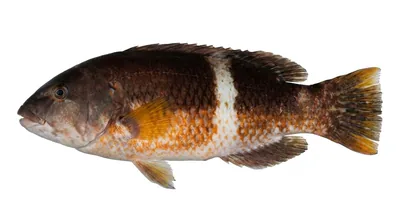
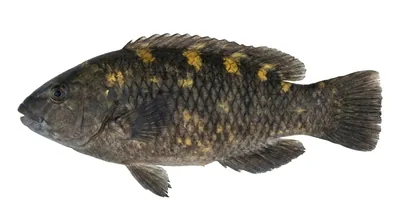
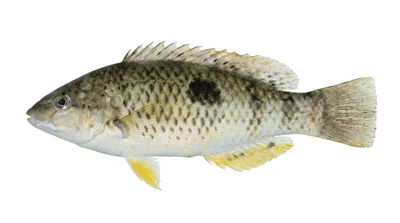
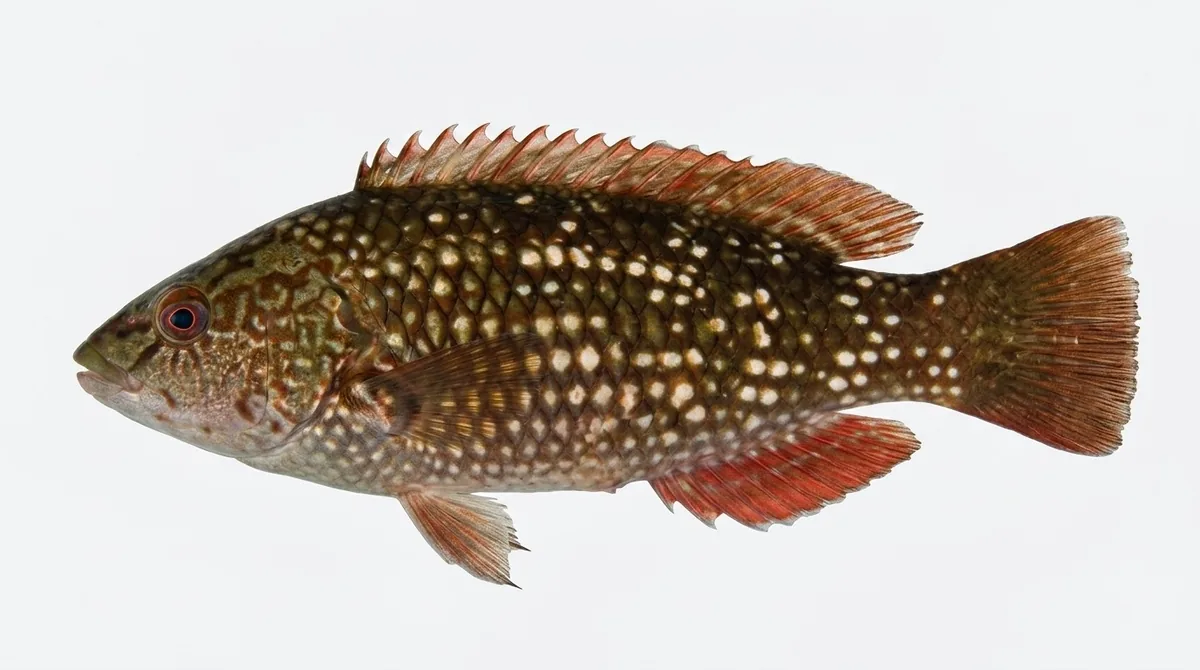
Crimson banded wrasse
Notolabrus gymnogenis
- Saltwater
- Least Concern
- Max length
- 40 cm
- Class
- Teleostei
- Order
- Eupercaria incertae sedis
- Family
- Labridae
- Genus
- Notolabrus
- Indian Ocean, Eastern
- Pacific, Southwest
About the crimson banded wrasse
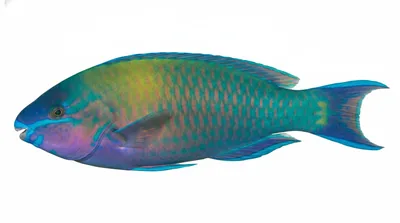
Notolabrus gymnogenis, commonly known as the crimson banded wrasse, is a species of fish in the family Labridae. This colourful fish is endemic to Eastern Australia.
Distribution
Notolabrus gymnogenis are benthic coastal reef inhabitants and are commonly found on reef in New South Wales. Found in depths of 4–53 metres (13–174 ft). They typically favor cooler waters in the region of South Eastern Australia where they are most commonly found. While found in both deep and shallow reefs they typically favor deeper waters. When water temperature increases in their habitat they move to cooler areas within their range. As a result, their populations have declined in shallow reefs and increased in deep inshore reefs as a consequence of global ocean temperatures increasing with climate change.
Behaviour
Males are territorial and will defend a territory against other males. When feeding, small Notolabrus gymnogenis favored ambush hunting to consume amphipods, decapods, and gastropods. Larger individuals prefer to patrol exposed sections of rocky reefs for larger decapods. In addition to solo hunting, they will sometimes utilize multi-species fish foraging associations. They will pair up with an octopus to catch prey flushed out of spaces only the octopus can reach. During this interaction, the fish will not hunt the octopus and will drive away other fish attempting to pair up with the octopus. There is no active cooperation between the two species, rather the fish is following the octopus because it makes more prey available and the octopus does not protest because the fish is not bothering it. Human interference with Notolabrus gymnogenis causes an increase in caution. Individuals that live in protected areas, where fishing is not allowed, and half as cautious of potential predators than fish living in fished areas. It is theorized that increased caution is a learned response to near misses with humans. Larger fishes were cautious of potential predators, however, the reason is still not entirely clear.
Description from Wikipedia, available under CC BY-SA.
Where the crimson banded wrasse lives
Distribution data from GBIF (DOI: 10.15468/dl.8rzs8d).
Also known as
- White spotted parrotfish
- Crimson-banded parrot-fish
- Crimsonband wrasse
- Spotted rainbowfish
- White-spotted rainbow-fish
- Bodião-arco-íris-papagaio
- Rotband-Lippfisch
- 紅鰭背鰭隆頭魚