Fishing Calendar App
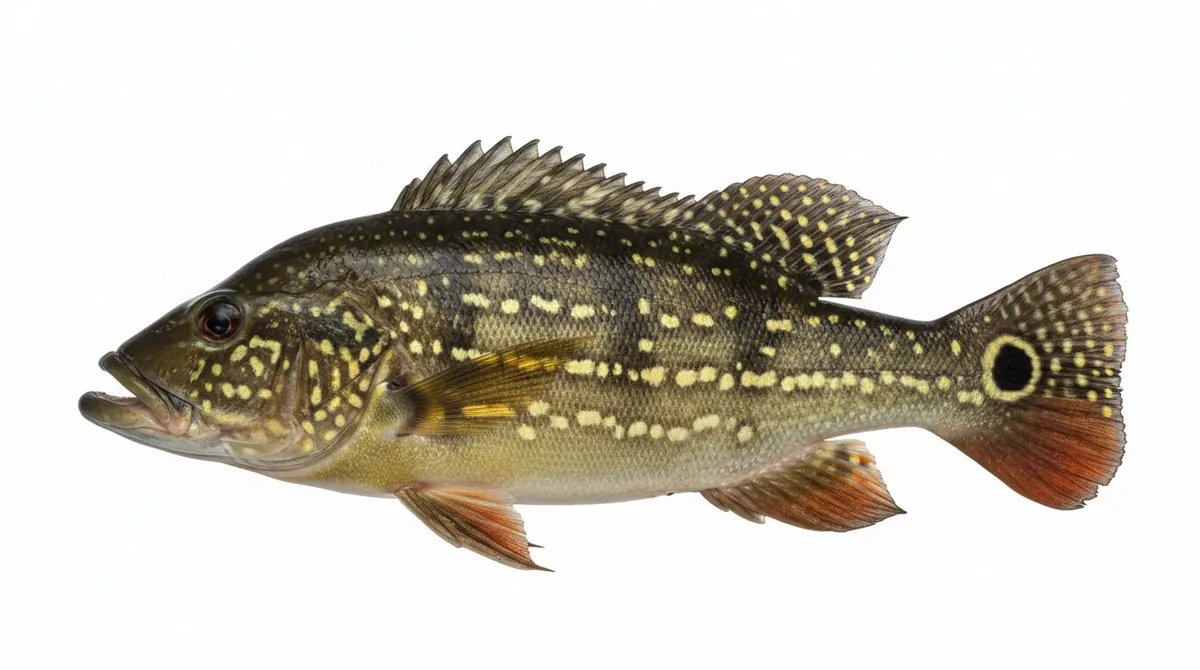
Cichla temensis
- Freshwater
- Least Concern
- Max length
- 99 cm
- Class
- Teleostei
- Order
- Cichliformes
- Family
- Cichlidae
- Genus
- Cichla
- South America - Inland waters
About the cichla temensis
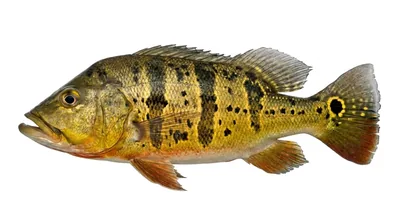
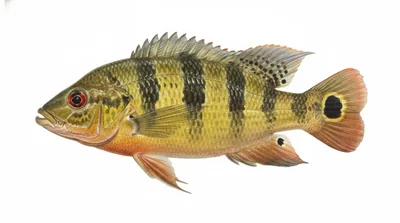
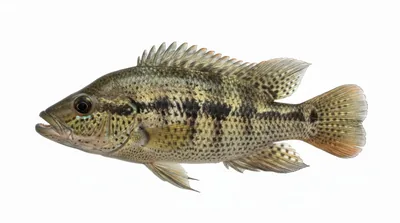
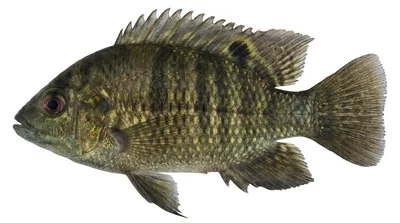
Cichla temensis, the speckled peacock bass, painted pavon, royal pavon, speckled pavon, three-barred peacock bass, or striped tucunaré, is a very large South American cichlid. Reaching nearly 1 m (3.3 ft) in length, it is the largest cichlid of the Americas, and one of the largest extant cichlids in the world. It is an important predator in its native waterways, as well as a prized food fish and game fish, which has led to a number of attempted introductions outside of its native range.
Distribution
C. temensis is native to the Orinoco and Rio Negro basins, as well as several smaller rivers in the central Amazon (Uatumã, Preto da Eva, Puraquequara, and Tefé), in Brazil, Colombia, Venezuela, and Guyana.
Introduction attempts have been made outside its native range, but it has not managed to become established in Florida or Texas due to extreme temperatures. In contrast, it has flourished in tropical Singapore and Malaysia.
Behaviour
C. temensis is a diurnal predator, hunting fish that it can swallow whole; it has been described as a potential keystone predator. Their feeding activity is the highest between 9 AM and 3 PM on warm sunny days. The coloration of the non-breeding tucunaré paca, a dark olive with extensive speckling all over, is theorized to provide an excellent camouflage in the tannin-stained waters and the dappled light in the flooded forests, allowing it to ambush prey in the tangled environs. Larger body size allowed for the consumption of larger prey items, though trophic position varied on locality, with observable differences in diet between similar size classes even within the same river basin. Diet composition and trophic positions of different-sized C. temensis did not meaningfully differ, though values of δ13C were notably higher in larger peacock bass.
Small prey items include the tetra Hemigrammus analis, Nannostomus pencil fish, anostomids, Cyphocharax, Curimata vittata, Lycengraulis anchovies, Rhabdolichops nigrimans knifefish, and pike cichlids. C. temensis is noted to hunt larger prey than other sympatric peacock bass, hunting down a variety of fish such as the characiformes of the genus Argonectes, Semaprochilodus kneri, and Acestrorhynchus heterolepis; Pimelodella sp., Pimelodus albofasciatus, armoured catfish such as Ancistrus, Osteoglossum arowana, and cichlids including smaller peacock bass, although cannibalism might be more prevalent in fish stuck in isolated lagoons and reservoirs during the dry season, and the exact species of consumed peacock bass cannot be determined. Juvenile prochilods on migration are preyed on heavily by the opportunistic peacock bass, at times comprising nearly half of the biomass consumed by C. temensis. This glut of food allows the peacock bass to reach a healthy breeding condition.
Description from Wikipedia, available under CC BY-SA.
Where the cichla temensis lives
Distribution data from GBIF (DOI: 10.15468/dl.8rzs8d).
Also known as
- Stor tucunaré
- Tucunaré-açu
- Helmikikla
- باس طاووس خالدار
- אמנון טווסי מנומר
- ปลาหมอเทเมนซิส
- 金目麗魚