Fishing Calendar App
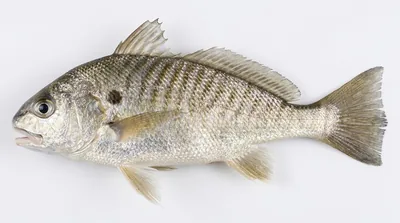
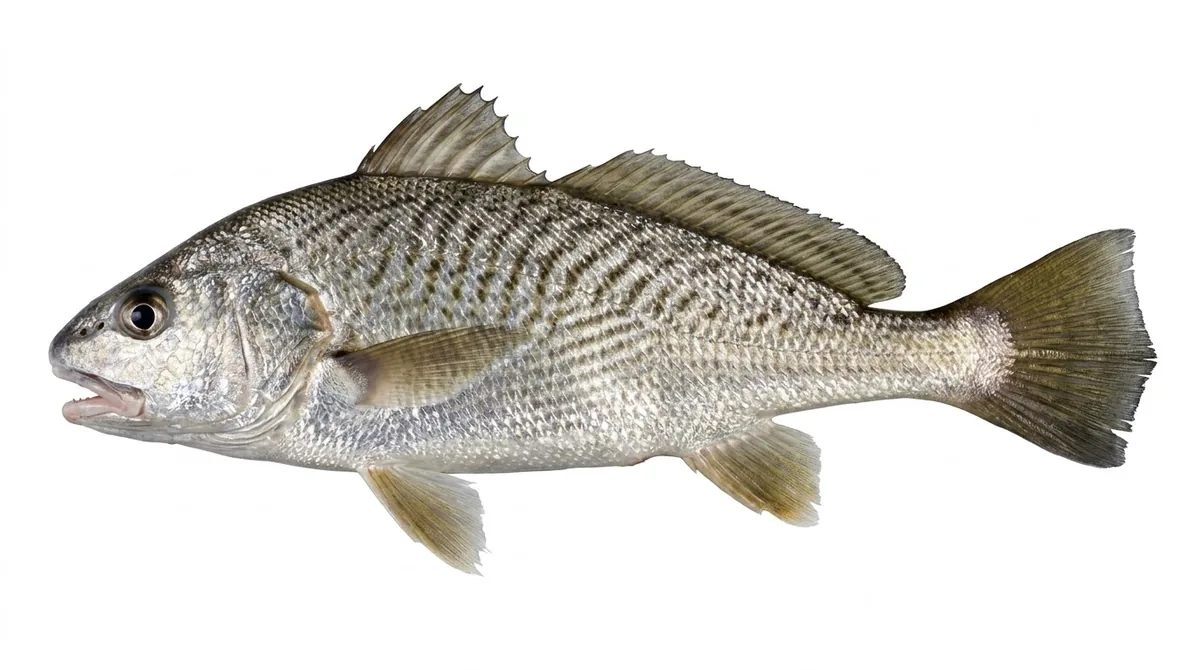
Atlantic croaker
Micropogonias undulatus
- Saltwater
- Least Concern
- Max length
- 55 cm
- Class
- Teleostei
- Order
- Eupercaria incertae sedis
- Family
- Sciaenidae
- Genus
- Micropogonias
- Atlantic, Northwest
- Atlantic, Western Central
About the atlantic croaker
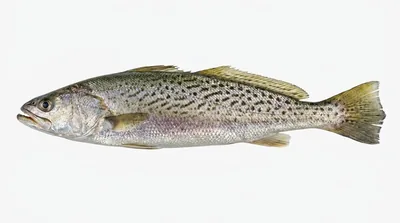
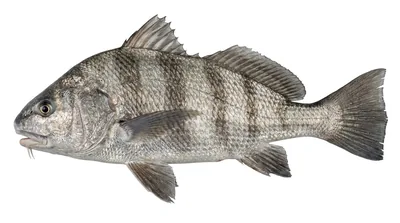
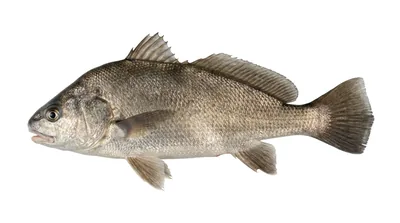
The Atlantic croaker (Micropogonias undulatus) is a species of marine ray-finned fish belonging to the family Sciaenidae and is closely related to the black drum (Pogonias cromis), the silver perch (Bairdiella chrysoura), the spot croaker (Leiostomus xanthurus), the red drum (Sciaenops ocellatus), the spotted seatrout (Cynoscion nebulosus), and the weakfish (Cynoscion regalis). It is commonly found in sounds and estuaries from Massachusetts to the Gulf of Mexico.
Distribution
The Atlantic croaker is native to coastal waters in the western Atlantic Ocean. Its range extends from Massachusetts to Mexico and includes the northern half of the Caribbean Sea but possibly not the southern Gulf of Mexico or the Antilles. It is also thought to live on the coasts of southern Brazil and Argentina. It is usually found in bays and estuaries over sandy or muddy bottoms where it feeds on polychaete worms, crustaceans and small fish. The croaker visits the Chesapeake Bay from March through October and is found throughout the Bay as far north as the Susquehanna Flats.
Description from Wikipedia, available under CC BY-SA.
Where the atlantic croaker lives
Distribution data from GBIF (DOI: 10.15468/dl.8rzs8d).
Also known as
- Hardhead
- Tambour brésilien
- Atlantischer Umber
- Stubbkväkare
- Gurrubata
- Undulato
- Aaltorummuttaja
- Knorrepos
- شماهي أطلسي
- شماهى اطلسى
- شوریده اطلسی
- 波紋絨鬚石首魚
Where to catch atlantic croaker
- Cape Cod Bay United States Bay · Massachusetts
- Cape Fear River United States River · North Carolina
- Chesapeake Bay United States Estuary · Maryland and Virginia
- Delaware Bay United States Bay · Delaware-New Jersey
- Florida Bay (Everglades) United States Bay · Florida
- Florida Keys United States Coast · Florida