Fishing Calendar App
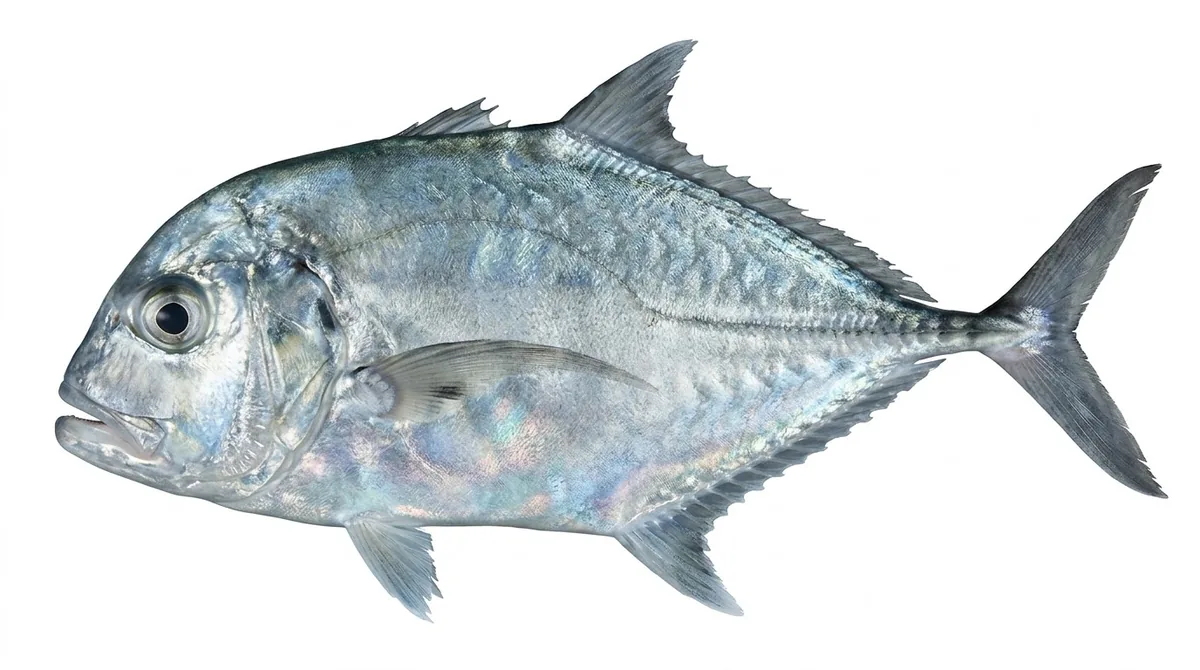
African pompano
Alectis ciliaris
- Saltwater
- Least Concern
- Max length
- 150 cm
- Class
- Teleostei
- Order
- Carangiformes
- Family
- Carangidae
- Genus
- Alectis
- Atlantic, Northwest
- Atlantic, Western Central
- Indian Ocean, Eastern
- Indian Ocean, Western
- Pacific, Eastern Central
- Pacific, Northwest
- Pacific, Southeast
- Pacific, Southwest
- Pacific, Western Central
About the african pompano
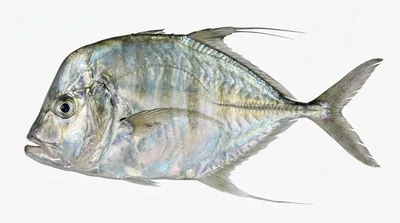
The African pompano (Alectis ciliaris), also known as the pennant-fish or threadfin trevally, is a widely distributed species of tropical marine fish in the jack family, Carangidae. The species is found in tropical waters worldwide, with adults often inhabiting coastlines, while juveniles are usually pelagic, floating with ocean currents. The adult African pompano is similar in appearance to the other members of the genus Alectis, with the concave shape of the head near the eyes; the clearest distinguishing feature. The juveniles are similar to other members of Alectis, having long, filamentous dorsal and anal fin tips which are thought to discourage predators. The species lives in depths less than 100 m, consuming a range of crustaceans and small fishes. The species is of minor economic importance, often taken amongst other tropical midwater fishes by hook and line, while juveniles are occasionally caught in beach seines. African pompano are also highly rated game fish, often considered one of the strongest of the jacks in larger sizes.
Distribution
The African pompano is distributed throughout the tropical oceans and seas of the world in a temperature range of 65 to 80 °F (18 to 27 °C), although is more often found in coastal waters. The species has been recorded from both the east and west coasts of the US, South America and Africa, throughout the Indian Ocean and along Asia and Australia, as well as many islands in the Pacific. The African pompano range into more temperate waters, with juveniles in particular captured off southeastern and western Australia, presumably carried by ocean currents.
The adults of the species prefer coastal waters to depths of 100 m, inhabiting reefs and wrecks throughout the water column. Juveniles are pelagic by nature, inhabiting coastal areas, as well as open ocean. Their reliance on water currents has seen them appear in estuarine waters in lower Australia, although due to cold winter temperatures, they do not survive the winters.
In one unusual case, the abundance in the species off North Carolina was found to dramatically increase after a hurricane had passed through.
Description from Wikipedia, available under CC BY-SA.
Where the african pompano lives
Distribution data from GBIF (DOI: 10.15468/dl.8rzs8d).
Also known as
- Jack
- Threadfin
- Threadfin trevally
- Trevally
- Pámpano de hebra
- Cordonnier
- Carangue
- Cordonnier fil
- Draadvin-spieëlvis
- Afrički pompano
- Kuwe rambut
- Afrikaanse pompano
- Lawihan
- 실전갱이
- Длиннопёрый алектис
- イトヒキアジ
- Алектыс даўгапёры
- ނަރުވާ ހަނދި
- درفشماهی
- ปลาโฉมงาม
- 絲鰺
Where to catch african pompano
- Cape Cod Bay United States Bay · Massachusetts
- Cape Fear River United States River · North Carolina
- Chesapeake Bay United States Estuary · Maryland and Virginia
- Delaware Bay United States Bay · Delaware-New Jersey
- Florida Bay (Everglades) United States Bay · Florida
- Florida Keys United States Coast · Florida