Fishing Calendar App
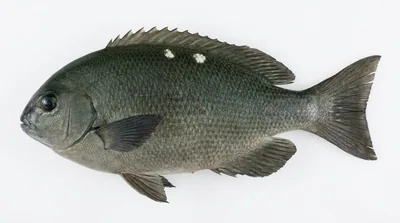
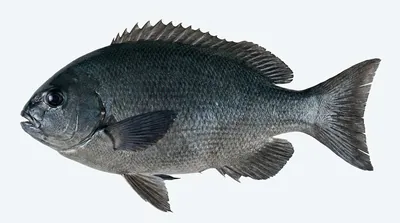
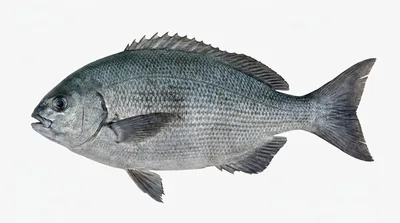
Black bream
Girella tricuspidata
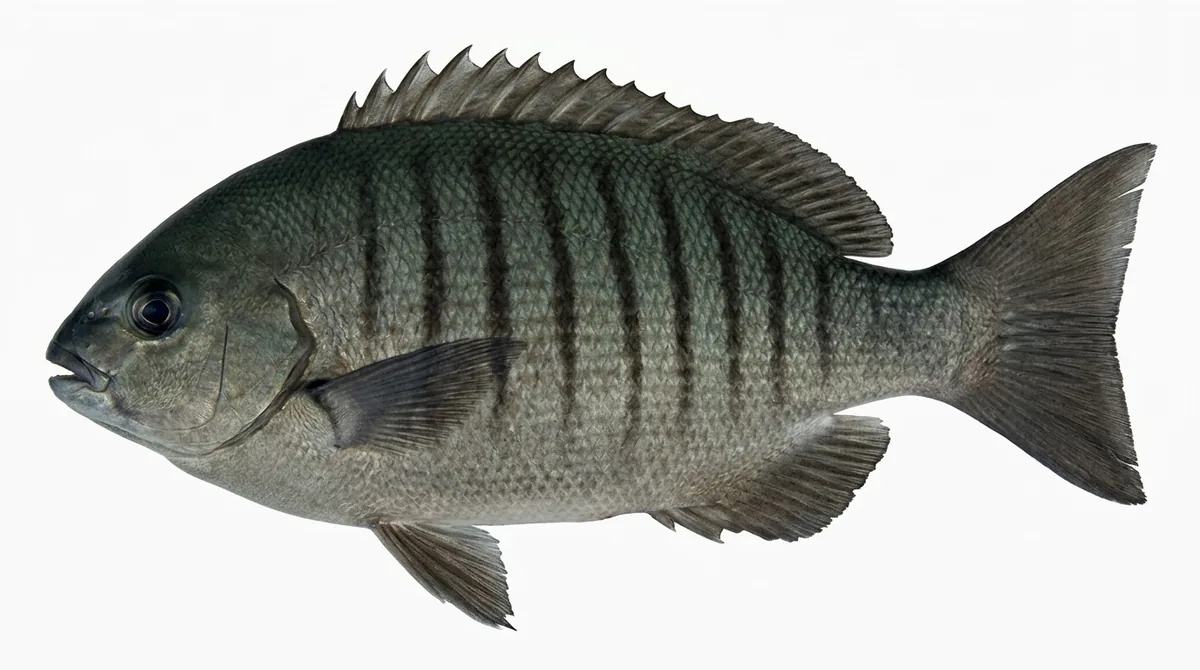
- Saltwater
- Max length
- 71 cm
- Class
- Teleostei
- Order
- Centrarchiformes
- Family
- Kyphosidae
- Genus
- Girella
- Indian Ocean, Eastern
- Pacific, Southwest
- Pacific, Western Central
About the black bream
Girella tricuspidata, commonly known by a variety of names, is a species of marine ray-finned fish, a sea chub from the family Kyphosidae found both off the southeastern coast of Australia and around northern New Zealand. Luderick and parore (Māori: [ˈpa.ɾo.ɾe]) are the common names used by each country respectively.
Habitat
G. tricuspidata is found in shallow coastal and estuarine waters where the frequently congregate in large schools in the vicinity of rocky outcrops and jetties. The small juveniles use seagrass beds to hide from predators. The species use their small sharp, incisor-like teeth for grazing on seaweed and algae such as Enteromorpha intestinalis, Ulva lactuca, Ulva intestinalis and sea cabbage, and use a band of crushing teeth which are used to grind algae. While primarily consuming algae, the species is an opportunistic omnivore, feeding on other food items like small crustaceans, pipi, mussels and beach worms. As G. tricuspidata matures, they congregate in large shoals and the adults form 'runs' from estuarine waters and coastal lakes into the sea. The fish spawn in the surf zone and mouths of estuaries, spawning takes place in the winter.
The species schools during the daytime, and at night hides in sheltered areas, camouflaging themselves by turning a brown colour.
Distribution
G. tricuspidata occurs off the coasts of eastern Australia and New Zealand. In Australia it occurs from Mackay, Queensland, to east of Adelaide in South Australia and off most of Tasmania. In New Zealand it occurs on both the east and west coasts of the North Island from the North Cape to the Cook Strait.
Description from Wikipedia, available under CC BY-SA.
Where the black bream lives
Distribution data from GBIF (DOI: 10.15468/dl.8rzs8d).
Also known as
- Black snapper
- Blackfish
- Darkie
- Darky
- Luderick
- Mangrove fish
- Nigger
- Chopa de Nueva Zelanda
- Girela-maori
- Schwarzer Nagebarsch
- Чёрная гирелла
- シマメジナ
- سیمماهی سیاه
- Лудерик
- 三尖魢