Fishing Calendar App
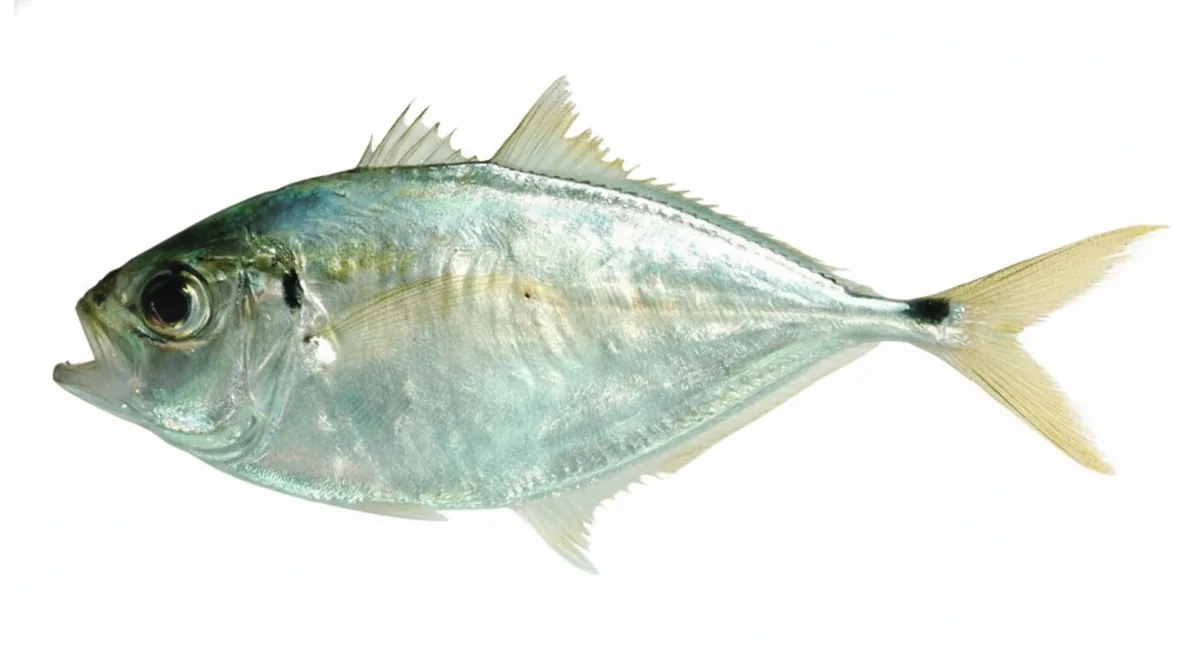
Atlantic bumper
Chloroscombrus chrysurus
- Saltwater
- Least Concern
- Max length
- 65 cm
- Class
- Teleostei
- Order
- Carangiformes
- Family
- Carangidae
- Genus
- Chloroscombrus
- Atlantic, Eastern Central
- Atlantic, Northwest
- Atlantic, Southwest
- Atlantic, Western Central
- Pacific, Southeast
About the atlantic bumper
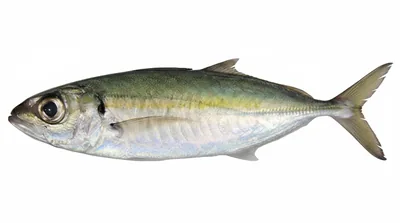
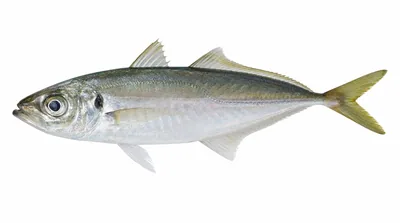
The Atlantic bumper (Chloroscombrus chrysurus) is a game fish in the family, Carangidae. It was first described by the "father of modern taxonomy", Carl Linnaeus in the book, Systema Naturae. Atlantic bumper are known to eat smaller fish, cephalopods, and zooplankton.
Distribution
In the western Atlantic, Atlantic bumper is found from Massachusetts, to south Brazil. They are known to be found off Bermuda, in the Caribbean, and the Gulf of Mexico. Their range continues south to the coast of Uruguay. In the eastern Atlantic, the Atlantic bumper are known from the coast of Mauritania to Angola. One single record was reported in the Mediterranean Sea off Spain in 1997. They are not found in the eastern Pacific although a visually similar species, Chloroscombrus orqueta, or the Pacific bumper is ranged for that area. Little is known about how these two species relate to each other, and they may represent only one species. The Atlantic bumper is found in subtropical waters up to 55 m in depth. They usually dwell near soft bottoms of the continental shelf, but have been observed schooling near the surface. While it is primarily a salt water fish, juveniles have been found in brackish estuaries.
Description from Wikipedia, available under CC BY-SA.
Where the atlantic bumper lives
Distribution data from GBIF (DOI: 10.15468/dl.8rzs8d).
Also known as
- Horqueta del Atlántico
- Dzodzoe
- Bijlhorsmakreel
- Касаба
- クラカケヒラアジ
- Касабе
- 綠鯖鰺
Where to catch atlantic bumper
- Cape Cod Bay United States Bay · Massachusetts
- Cape Fear River United States River · North Carolina
- Chesapeake Bay United States Estuary · Maryland and Virginia
- Delaware Bay United States Bay · Delaware-New Jersey
- Florida Bay (Everglades) United States Bay · Florida
- Florida Keys United States Coast · Florida